The first time I treated Matjiesfontein as more than a fuel-and-coffee dot on the N1, it was winter and the Karoo had gone quiet in that particular way it does after sunset. The air felt sharp enough to wake you properly. The lamps were glowing. Somewhere beyond the old buildings, the dark was settling over the plains like a thick wool blanket.
That is the thing about a Matjiesfontein winter getaway: it does not shout for your attention. It waits. Most travellers rush past with the cruise control on, heading for Cape Town, Johannesburg, the Garden Route, the bush, the next big thing. Then you turn off, slow down to village speed, and suddenly the trip changes shape.
This is not a place of packed itineraries and high-adrenaline must-dos. It is a hidden gem for people who like old stories, cold evenings, Karoo horizons, fireplaces, and that rare travel pleasure of having nowhere urgent to be.
Why a Matjiesfontein Winter Getaway Works So Well
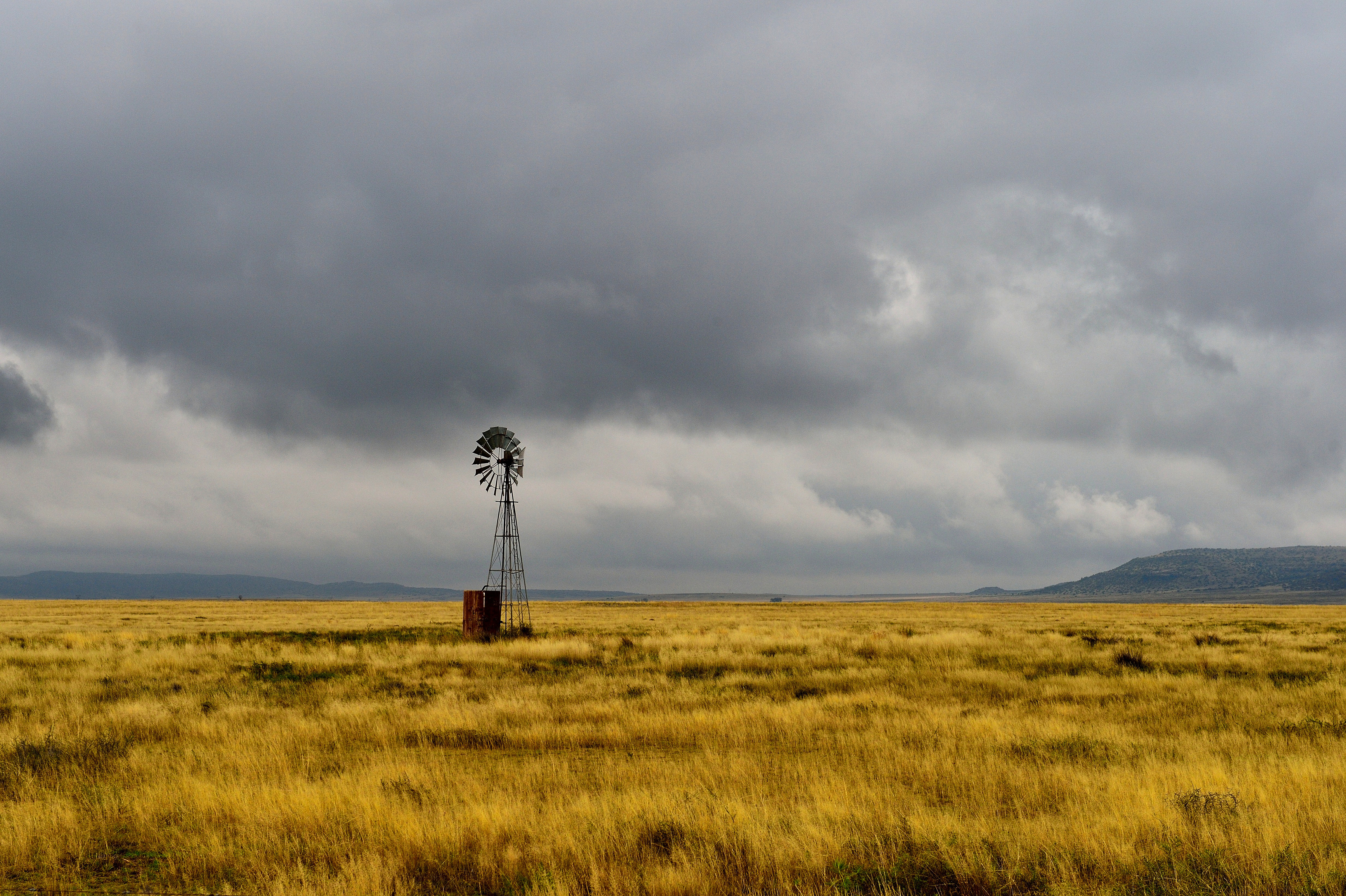 Photo: South African Tourism from South Africa — CC BY 2.0, via Openverse
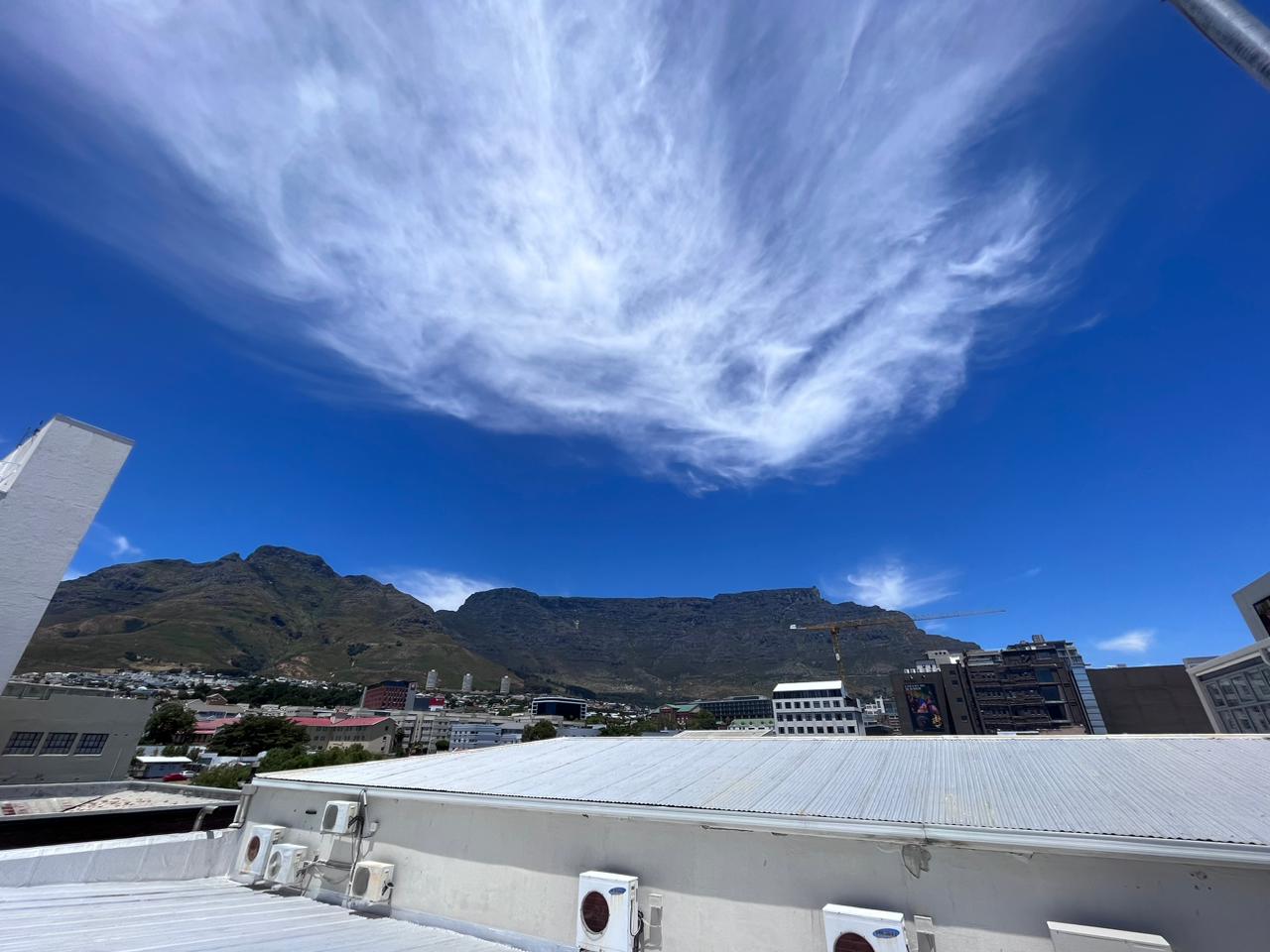
Winter gives Matjiesfontein its mood.
In summer, the Karoo can feel hard and bright, all heat shimmer and white sky. In winter, the edges soften. The days can be clear and golden, the evenings properly cold, and the old Victorian buildings seem to make more sense when you are pulling your jacket tighter and looking for a warm corner.
Matjiesfontein sits in the Western Cape, but it feels like a threshold — not quite Cape Town, not quite the deep interior, but a railway-era village holding its ground in the wide Karoo. If you are planning a broader trip through the province, our Western Cape travel guide is a useful starting point, but Matjiesfontein deserves its own little pause on the map.
The village is small. That is part of the appeal. You can walk it slowly, read plaques, look at old photographs, notice the mountain line in the distance, and still have time to sit by a fire before dinner. You are not fighting crowds for parking or queueing for a viewpoint.
It is a low-crowd winter escape in the best sense: quiet without being empty, historic without feeling like a museum display, and atmospheric without anyone needing to manufacture the mood.
The Village That Feels Like a Time Slip
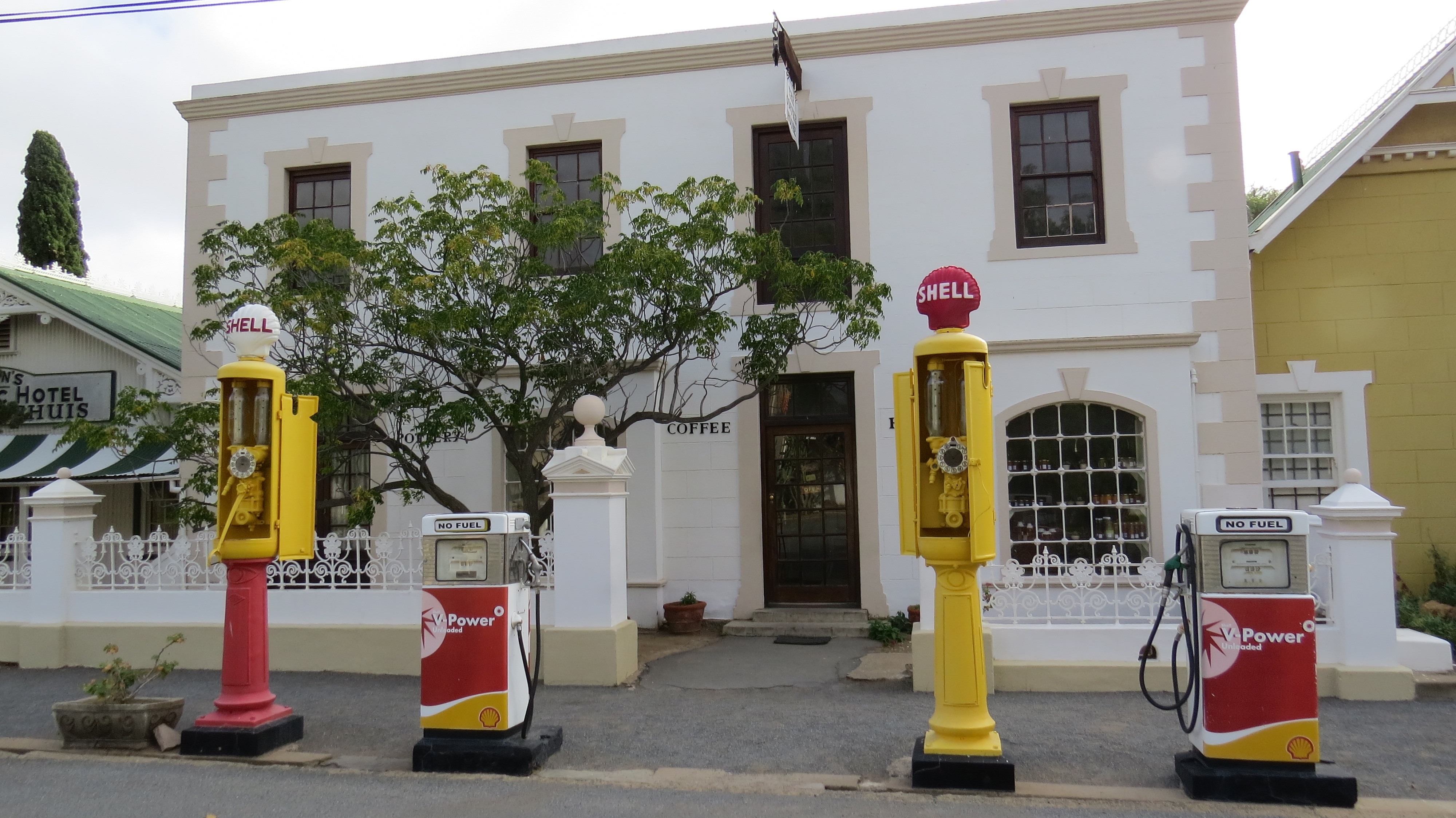 Photo: Sara Essop — CC BY-SA 3.0, via Openverse
Matjiesfontein’s story is tied to the railway, the Karoo, and the old routes between the Cape and the interior. You feel that as soon as you arrive. The station, the long straight street, the heritage buildings, the old hotel frontage — everything seems built for arrivals and departures.
I like places where you can sense movement even when nothing much is happening. Matjiesfontein has that. You can stand near the railway line and imagine trunks being unloaded, coats being brushed down, travellers stepping into the cold after hours on a train.
The Lord Milner Hotel is the village’s most recognisable landmark, and its Victorian presence anchors the whole place. I am careful with old hotels because nostalgia can sometimes do too much of the heavy lifting, but here the setting earns it. The building belongs to the street. The street belongs to the railway. The railway belongs to the Karoo.
Walk slowly. That is my best advice.
Do not arrive in a rush, tick off two photographs and call it done. Look at the ironwork, the deep verandas, the way the dry light catches on old walls. Pop into the little historic spaces if they are open, ask about the village stories, and give yourself permission to be curious.
Matjiesfontein is compact, but it rewards attention.
Fireplaces, Thick Socks and Proper Karoo Cold
Let us be honest: winter in Matjiesfontein can be cold.
Not “bring a light jersey” cold. Proper Karoo evening cold, especially once the sun drops and the warmth leaves the stone and dust. The kind of cold that makes a fireplace feel less like a feature and more like a public service.
That is exactly why winter suits the village. You do not come here to pretend it is summer. You come for the contrast: bright daylight and icy shade, long horizons and warm interiors, silence outside and the clink of glasses inside.
If your usual winter getaway is one of the busier Cape routes, Matjiesfontein offers a different rhythm. Cape Town has its own brilliant rainy-day energy — galleries, markets, food, theatre and all the rest, which we cover in our guide to Cape Town winter activities. Matjiesfontein is the opposite kind of winter plan. Fewer options. More atmosphere.
Bring layers. Bring a beanie. Bring shoes you can walk in, even if you are only walking from one end of the village to the other. And if you are the sort of person who always thinks, “Ag, I’ll be fine,” this is your friendly reminder from someone who has shivered unnecessarily before: pack the extra warm thing.
You will use it.
The Karoo Landscape Does Half the Work
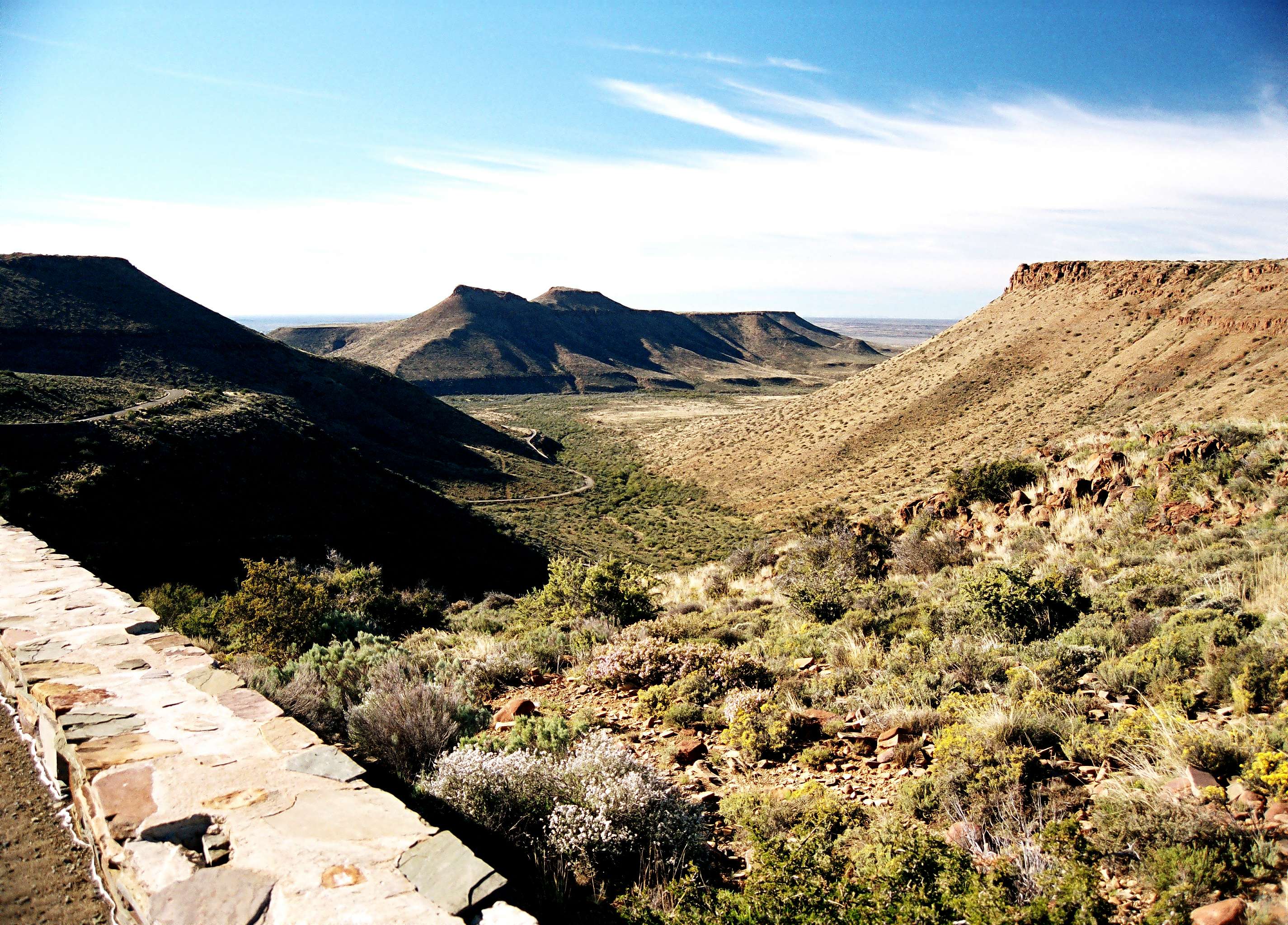 Photo: No machine-readable author provided. Moongateclimber assumed (based on copyright claims). — CC BY-SA 3.0, via Openverse
The village is charming, but the landscape is the deeper reason to go.
The Karoo does not perform on command. It asks you to adjust your eyes. At first, you might think it is empty. Then you start noticing colour in the scrub, folds in the hills, wind lines, sheep tracks, the way the sky seems too large for the land below it.
Winter makes those details easier to see. The light sits lower. Shadows stretch longer. The air is often clearer, and the horizon feels more defined.
If you enjoy photographing landscapes, Matjiesfontein is a gift — not because there is one famous viewpoint everyone crowds around, but because the ordinary scenes carry weight. A windmill. A fence. A railway line. A road running straight into the distance. A bakkie parked under a pale sky. Simple things, but they hold the place together.
The best moments are often early and late. Go for a short walk before breakfast if it is safe and the weather is decent. Step outside before sunset instead of staying tucked indoors. Watch how quickly the warmth drains from the light.
You do not need a packed programme here. You need patience.
Stargazing, Silence and the Night Sky
On a clear winter night, the sky above Matjiesfontein can stop you mid-sentence.
This is one of the great pleasures of the Karoo: darkness still means something. Away from major city glow, with dry air and wide horizons, the stars feel closer. Not in a dramatic brochure way. In a quiet, humbling way.
Check the moon phase if stargazing matters to you. A full moon over the Karoo can be beautiful, but it will wash out fainter stars. A darker night gives you a better chance of seeing the Milky Way, depending on cloud and conditions.
Also, be sensible. The best stargazing does not require wandering off into unknown spaces at midnight. Stay aware of where you are, use a torch, tell someone if you are stepping out, and avoid roadsides where vehicles may not expect pedestrians.
If big skies are your thing, you might also love the Cederberg Wilderness, where rock art, rugged mountains and star trails create a wilder version of the same off-the-beaten-path feeling. Matjiesfontein is gentler. More village, less wilderness. But the sky? Still pure Karoo magic.
A Better Stopover Than Another Rushed Lunch
Many people meet Matjiesfontein as a quick stop on the N1. I understand why. The road is long, everyone wants to get there, and South African distances have a way of making us overconfident.
But turning Matjiesfontein into an overnight stay changes its value completely.
Instead of arriving tired, eating quickly and pushing on, you break the journey with intention. You let the road release its grip. You wake up already in the Karoo, with the first part of the drive behind you and the next part feeling less like a punishment.
For travellers moving between Cape Town and the interior, this can be especially useful in winter when daylight hours are shorter and fatigue creeps in earlier. I would rather stop somewhere with character than arrive frazzled after dark just to prove I could do the distance.
Matjiesfontein also pairs well with a slow-travel mindset. If you are building a Western Cape route with wine valleys, small towns and mountain passes, it sits naturally alongside places like Robertson. Our Robertson Wine Valley weekend itinerary has that same unhurried spirit — less rushing, more noticing.
And if your journey continues towards drier, bigger country, Matjiesfontein feels like a soft introduction to the landscapes that eventually open towards the Northern Cape. For that wider sense of place, browse our Northern Cape region guide.
What I’d Tell a Friend Before They Go
Arrive before sunset. Matjiesfontein is at its best when you can watch the light change, get your bearings, and settle in before the cold properly arrives. Arriving after dark means you miss half the magic.
Pack for real winter. Bring warm layers, a proper jacket, closed shoes, sleepwear that can handle a cold room, and something for your head and hands. The Karoo does not care that you packed optimistically.
Do not over-plan the stay. The point is not to fill every hour. Leave space for walking, reading, chatting, looking at old buildings and doing very little. That is not wasted time here.
Check road and weather conditions. Winter fronts can affect travel in the Western Cape and Karoo. Before you leave, look at reliable weather updates and road information, especially if you are driving long distances or continuing into remote areas.
Make dinner plans early. Small villages do not work like big cities, and options can be limited or seasonal. Confirm what is open, what needs booking, and what time kitchens close rather than assuming you can decide late.
Step outside after dark. If the sky is clear, give yourself ten minutes away from bright lights. Let your eyes adjust. The stars are one of the main reasons winter here feels special.
Respect the pace of the place. Matjiesfontein is lived-in history, not a theme park. Be curious, be polite, and remember that small communities carry the weight of visitors differently from big destinations.
Who Will Love It — and Who Might Not
You will probably love a Matjiesfontein winter getaway if you enjoy heritage, old buildings, road trips, photography, fireplaces, quiet dinners and landscapes that take time to reveal themselves. It is ideal for couples, solo travellers, writers, photographers, railway-history people, and anyone who secretly enjoys a cold evening when there is somewhere warm to retreat to.
It is also a good fit if you want a winter break without the bustle of more obvious escapes. There are no big malls, no packed beachfront, no long list of attractions competing for your attention. Lekker, honestly.
But it is not for everyone.
If you need nightlife, constant entertainment, luxury shopping or a dozen restaurant choices, you may feel boxed in. If you are travelling with children who need high-energy activities from morning to night, plan carefully and keep the stay short. If cold weather makes you miserable no matter how good the fireplace is, choose another season.
That honesty matters. Matjiesfontein is not trying to be everything. Its charm lies in being exactly what it is: a small Karoo village with a long memory, a big sky and a winter mood that settles into your bones.
Would I Go Again?
Yes — but I would go for the right reasons.
I would go to slow down. I would go to break a long drive with something more memorable than another hurried stop. I would go for the old railway feeling, the cold night air, the stars, the silence, and that particular Karoo light that makes even a fence post look like it has a story.
Matjiesfontein is easy to drive past because it does not demand your attention from the highway. That is also why it stays special. In a country full of headline destinations, there is real pleasure in a place that asks you to pull over, breathe out, and let the journey become the point.
A winter getaway here is not about escaping the cold. It is about leaning into it — with a warm room, a slow evening, and the Karoo waiting outside the door.
Have you visited Matjiesfontein in winter? Get in touch — we’d love to hear from you.
Image credits
- hero.jpg: Gary Bembridge from London/ New York, UK (CC BY 2.0), via Openverse. Resized.
- body-1.jpg: South African Tourism from South Africa (CC BY 2.0), via Openverse. Resized.
- body-2.jpg: Sara Essop (CC BY-SA 3.0), via Openverse. Resized.
- body-3.jpg: No machine-readable author provided. Moongateclimber assumed (based on copyright claims). (CC BY-SA 3.0), via Openverse. Resized.