The first time I properly understood Namaqualand flowers winter rain, I was standing beside a gravel road with red dust on my shoes and daisies all the way to the horizon.
Not a neat garden. Not a curated flower bed. A whole dry-looking landscape had switched on after the rain, as if someone had lifted a brown blanket and found colour waiting underneath.
That is the magic of Namaqualand’s spring flower season: it feels impossible until you see it. For most of the year, this part of the Northern Cape can look spare and tough, all stone, scrub and sky. Then winter rain falls, the cold holds for long enough, the sun returns at the right angle — and suddenly you are driving through orange, white, yellow, purple and pink.
It is one of South Africa’s great natural spectacles, but it is also one of the least obedient. You cannot pencil it in like a museum visit. The flowers follow weather, not calendars.
Namaqualand Flowers Winter Rain: The Simple Science Behind the Show
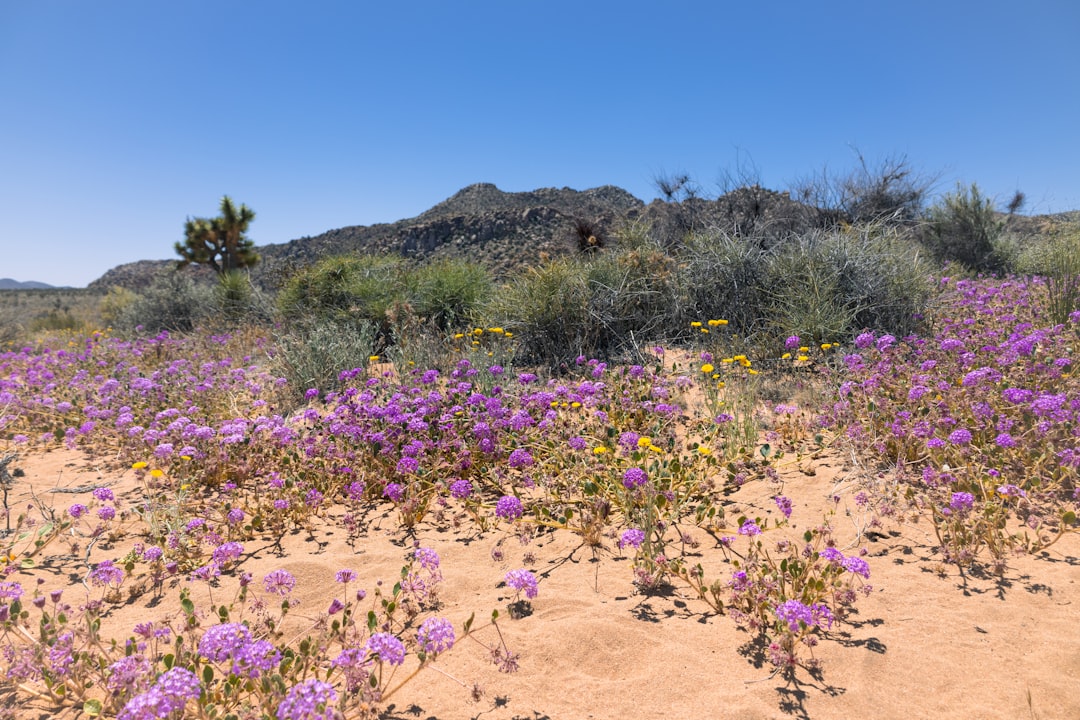
Namaqualand sits in South Africa’s winter-rainfall region, which is already unusual for a country where many places get their rain in summer. That matters because the flower season is built on timing.
Many of the famous spring flowers are annuals. They spend the dry months as seeds in the soil, waiting. When winter rain arrives, those seeds germinate. The young plants grow during the cooler months, then flower when spring light and temperature give them their cue.
The clever bit is survival. In a harsh, semi-arid landscape, you do not waste energy. You wait for the right conditions, grow quickly, bloom hard, make seed, and leave the next generation safely tucked into the ground before the dry heat returns.
That is why visitors talk about a “super bloom”, though locals will usually be more measured. Some years are glorious. Some are patchy. Some valleys glow while a road an hour away feels quiet. Winter rain is the trigger, but it is not the only factor.
Rainfall must be enough, and ideally spread well through the season.
Cold spells can help certain species develop properly.
Warm, sunny days are needed for the flowers to open.
Strong wind or heat can shorten a display quickly.
Aspect and altitude matter too — which is why one farm road can be magic while another nearby stretch has only a few brave blooms.
This is the part I always tell friends before they go: Namaqualand is not a theme park. It is better than that. But you have to work with it.
The Moment the Landscape Turns
If you have only seen Namaqualand in summer, the spring bloom almost feels like a trick.
The veld that looked brittle in January becomes soft-edged. Dry flats fill with daisies. Rocky slopes carry little pockets of colour. Road verges turn into ribbons. Even the most ordinary stop — a farm gate, a windmill, a dusty lay-by — can become the place where you take your best photo of the trip.
The classic image is a carpet of orange Namaqualand daisies, all facing the sun. They are famous for a reason. But the richer experience is slowing down enough to notice the details: tiny vygies close to the ground, white flowers tucked between stones, yellow blooms near drainage lines, and delicate little plants you would miss if you stayed in the car.
And that brings us to one of the most important local tips: flowers open for sunshine.
On cold, overcast mornings, you may wonder what the fuss is about. Then the sun lifts, the temperature climbs, and petals open across the veld. It can happen gradually, then all at once.
For flower viewing, I plan lazy mornings. Have breakfast, check the sky, then start driving once the day warms. If you rush out at first light like you would on safari, you may catch the landscape half-asleep.
When the Namaqualand Bloom Usually Begins
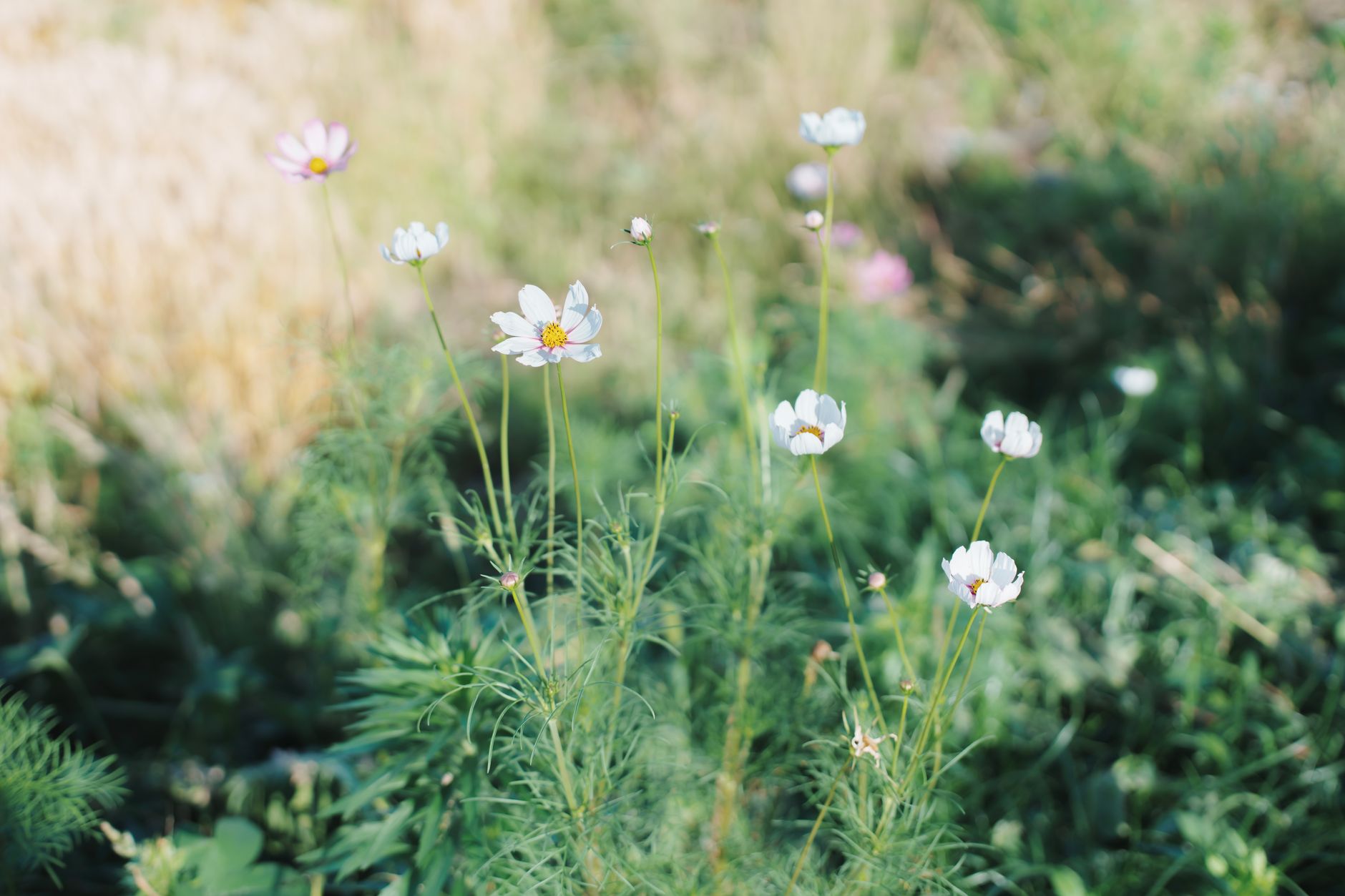
The broad season is late July to September, with August often the safest general window for travellers. But “best time” depends heavily on the year.
After good winter rain, flowers may start earlier in the north and move southwards or into different altitude zones as conditions change. In some years, certain areas are already looking strong by late July. In others, visitors wait until mid-August or later for the show to build.
If you are planning a wider trip, our Best Time to Visit South Africa month-by-month guide is useful for understanding how Namaqualand fits into the country’s broader seasonal rhythm. South Africa is big, and August in the Northern Cape is not the same experience as August in the Lowveld or along the Garden Route.
For Namaqualand specifically, I would avoid locking every night too tightly unless you have to. The bloom shifts. Roads, weather and local reports may nudge you towards Springbok one day, Kamieskroon the next, or the Nieuwoudtville side if that is where the conditions are strongest.
A little flexibility can be the difference between “nice flowers” and “eish, I cannot believe this is real”.
Where to Start Looking
For first-time visitors, I would anchor the trip around the broader Namaqualand region rather than one single viewpoint. The Northern Cape travel guide is a good starting point for understanding the landscape — flowers, Kalahari spaces, diamond country, long roads and all.
Common flower-route bases include:
- Springbok, often used as a practical hub for fuel, supplies and regional drives.
- Kamieskroon, well placed for exploring nearby flower areas and Namaqua National Park.
- Namaqua National Park, managed by SANParks, with seasonal flower highlights that vary by rainfall and road conditions.
- Nieuwoudtville, technically on the Bokkeveld Plateau rather than the heart of Namaqualand, but often included in flower trips because it can be excellent in the season.
I am deliberately not giving you a rigid “drive this exact route” promise, because the best flower viewing changes every year. Rather build a loose loop and keep asking locally.
Tourism offices, SANParks updates, farm stalls, guesthouse owners and fellow travellers are gold in flower season. Someone who drove a road yesterday is more useful than a perfect itinerary written six months ago.
How to Track Flower Conditions Without Losing Your Mind

The Namaqualand flower season rewards people who pay attention. It also punishes over-planners.
Here is how I track conditions before and during a trip:
Check official and local updates.
Look for regional tourism flower reports, SANParks notices for Namaqua National Park, and local visitor information. These are better sources than old blog posts for current conditions.Search recent photos, not just pretty photos.
Social media can help, but only if you check dates and locations. A spectacular image from “Namaqualand” may be from last week, last year, or somewhere two hours away.Phone ahead when it matters.
If your route depends on a specific road or reserve, contact the relevant office or accommodation directly. Road conditions after rain can change, especially on gravel.Build in weather patience.
A cloudy morning is not automatically a failed day. Flowers often need sun and warmth to open, so give the day time to develop.Keep fuel and snacks topped up.
Distances feel longer when you keep stopping for photos. Small towns can be spaced far apart, and not every stop has what you need.Ask the person behind the counter.
I have had some of my best flower tips from people selling coffee, petrol or padkos. Local knowledge travels faster than official updates.
If you enjoy the off-the-beaten-path side of South Africa, Namaqualand fits beautifully with our wider guide to South Africa’s hidden gems. It is famous in season, yes, but the best moments still happen on quiet roads with very few people around.
The Human Side of a Flower Season
It is easy to talk about Namaqualand as if the flowers are only there for travellers. They are not.
The bloom is part of a living landscape where people farm, work, drive, raise families and wait out hard seasons. A good flower year can bring welcome visitors to small towns. Cafés get busy. Guesthouses fill. Guides work. Farm stalls sell more roosterkoek, jam and coffee than they do in the quieter months.
But the same rain that brings flowers can also affect roads. Cold fronts can be fierce. Gravel can become tricky. And in dry years, the mood is different.
That is why I think respectful travel matters here. Stay on tracks. Do not trample flowers for a photo. Do not pick them. Close gates if you open them. Ask before entering private land. Support local businesses where you can.
The display may look wild and endless, but it is fragile under your boots.
What I’d Tell a Friend Before Going
If you asked me over a braai whether the Namaqualand flowers are worth the effort, I would say yes — but go with the right mindset.
Chase conditions, not dates.
August is usually a strong bet, but winter rain decides the story. Keep your plans flexible where possible.Drive slowly and stop often.
The best scenes are not always at the famous viewpoints. Some are on quiet shoulders where the light catches a slope just right.Face the sun.
Many flowers open towards sunlight, so your viewing angle matters. If the display looks dull, move around and look back with the sun behind you.Do not start too early on cold days.
This is not a dawn mission unless you are photographing landscapes. Let the flowers wake up.Pack for both seasons.
You can have cold wind, warm sun and dust in one day. Take layers, water, sunscreen, a hat and decent shoes.Use a vehicle suited to your route.
Main roads are one thing; gravel loops are another. Check conditions before committing, especially after rain.Treat the flowers like wildlife.
Look, photograph, enjoy — but do not disturb. A crushed patch does not recover for the next car.Add time if you can.
A rushed one-night dash can work, but two or three nights gives you weather options. Flowers are better when you are not panicking.
Pairing Namaqualand With a Bigger Trip
One of the nicest ways to experience the flower season is to make it part of a slow west-coast or inland road trip.
If you are coming from Cape Town, the Cederberg can be a brilliant addition, especially if you like rock formations, starry nights and quiet mountain roads. Our guide to the Cederberg Wilderness gives a good feel for that rugged, off-the-beaten-path side of the Western Cape.
If your South Africa trip is broader, you can also pair flower season with safari value in other parts of the country. Winter and early spring can be excellent for wildlife viewing in many reserves, and our piece on South Africa’s secret safari value season explains why locals often love that window.
The only thing I would not do is try to cram Namaqualand, the Garden Route, Kruger and Cape Town into too few days. South Africa looks neat on a map until you start driving it. Give the flowers room.
Would I Go Again?
Absolutely.
But I would go with humility. Namaqualand does not perform on command. You may get a legendary year where whole valleys glow. You may get a softer season where the joy is in smaller discoveries — a patch of yellow beside a fence, a daisy field after lunch, a roadside stop that turns into an hour.
For me, that uncertainty is part of the pull. The bloom is not just pretty; it is a reminder that landscapes have their own timing. Seeds wait. Rain arrives or does not. Cold lingers. Sun returns. Then, if everything lines up, the desert flowers.
And when it happens, it is not subtle.
You stand there in the winter-washed light, with dust on your shoes and petals facing the sun, and you remember that South Africa still knows how to surprise you.
Have you visited Namaqualand in flower season? Get in touch — we’d love to hear from you.
Photo credits
- body-1.jpg: Photo by Vincent Y @USA on Unsplash

