The first time I realised the best value safari season South Africa quietly offers was not in the middle of a dramatic lion sighting. It was at 05:42 on a cool Lowveld morning, with my hands wrapped around a tin mug of coffee and my breath just visible in the headlights of the game vehicle.
By eight o’clock, the sun had warmed the mopane leaves, the impala had moved into a patch of gold light, and a leopard had crossed the road so casually that the whole vehicle went silent.
No peak-season chaos. No wall of green summer bush hiding everything. No heat pressing down by breakfast.
Just the bush, beginning to open.
Most people think of safari timing in simple blocks: summer is green and hot, winter is dry and famous, school holidays are busy, and Christmas is expensive. But between those obvious seasons sits a quieter window — late autumn into early winter — that can be one of the smartest times to plan a safari if you care about sightings, comfort and value.
Why the Best Value Safari Season South Africa Offers Is Often Overlooked
The secret is that this period is not dramatic on paper. It does not have the full dry-season reputation of August and September. It does not have the lush, newborn-energy feel of midsummer. It is a transition.
And that is exactly why I like it.
In much of South Africa’s safari country, particularly the Lowveld and Greater Kruger region, May and June sit between the summer rains and the hard dry winter. The grass starts dropping. Leaves thin out. Water becomes less scattered across the landscape, but the bush has not yet reached that dusty, late-winter severity.
For a traveller, that matters. You can often see deeper into the vegetation. Tracks are easier to read on dry roads. Animals still look in good condition after the green months. Mornings are crisp, afternoons are gentle, and you are not melting into your seat at midday.
It is not a magic trick. Safari never is. But it is a clever piece of timing.
If you are still working out how safari fits into a bigger trip, start with SAinfo’s Safari & Wildlife in South Africa guide — it gives you the broad picture before you choose a specific park or reserve.
What Changes in the Bush as Autumn Turns to Winter
The bush changes in layers, not overnight.
In late summer, the Lowveld can be thick and lush. Beautiful, yes, but sometimes frustrating. I have sat ten metres from a lioness and only seen an ear twitching through the grass. You know she is there. Your guide knows she is there. Your camera sees nothing but leaves.
By late autumn, the world begins to simplify.
Vegetation thins. Grass drops lower, leaves become patchier, and animals that were hidden in February are suddenly easier to pick out. You start noticing shapes — a kudu bull behind a knob-thorn, elephant ears moving through the combretum, the dark line of buffalo in a dry drainage.
Water patterns shift. After the rains, animals can drink from pans and puddles all over the place. As these dry, wildlife gradually returns to more predictable water sources. This is not as intense as late winter, but the trend has started.
Predator viewing improves. Lions, leopards and wild dogs do not suddenly appear because the calendar changed, but visibility helps. So does cooler weather. Predators may stay active a little longer in the morning before settling down.
The light gets better. This sounds like a photographer’s complaint, but it affects everyone. Winter light is cleaner, lower and softer. The bush has more contrast. Dust in the late afternoon can turn the whole road bronze.
That said, it can be cold. Properly cold.
On one June drive, I wore a fleece, jacket, scarf and beanie and still tucked my hands into my sleeves like a schoolkid. By lunch I was in a T-shirt. That is South African winter safari for you — two seasons before breakfast.
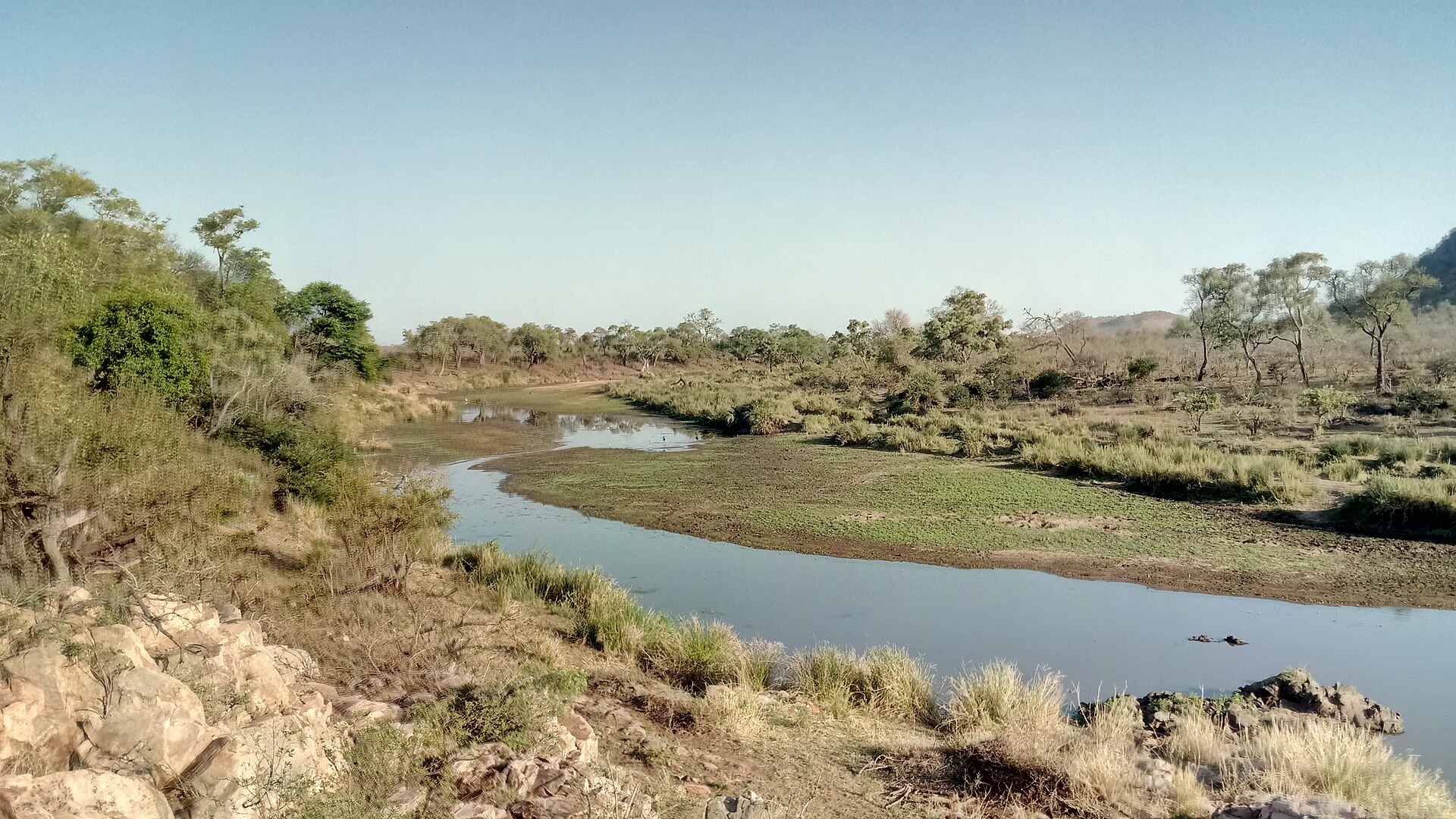 As autumn turns to winter the bush opens up: easier to see through, with wildlife returning to the rivers.
Kruger: Big Landscapes, Big Choice, Big Reward
Kruger National Park is where many travellers first test this secret season, and for good reason. It is vast, accessible, relatively flexible, and full of possibility. If you are planning independently, the Kruger National Park & Lowveld guide is a good place to understand the region before you get lost in gate names and camp options.
In Kruger, late autumn and early winter can be brilliant because the park gives you room to move. If one area is quiet, you can drive. If a road has been productive, you can repeat it. If a waterhole is starting to draw animals, you can sit there patiently with a flask and a packet of rusks.
Self-drive safari also suits this period because the days are comfortable. Summer drives can become a battle against heat, especially if you are in a small car without much shade. In May and June, you can stay out longer without feeling cooked.
But Kruger also requires realism.
Sightings are still earned. This is not a zoo, and the animals do not work to your itinerary. I have had quiet winter mornings in Kruger where the most exciting thing for an hour was a particularly confident hornbill. Then, around the next bend, elephants.
Distances are bigger than they look. Kruger rewards slow travel. If you try to cover too much ground, you will spend your day chasing pins on a map instead of reading the bush in front of you.
School holidays change the mood. Outside holiday periods, roads and camps can feel calmer. During school holidays, demand rises quickly, especially around popular rest camps and gates. If value is your goal, pay close attention to the calendar.
For broader timing across the country, SAinfo’s Best Time to Visit South Africa guide is useful because safari weather is only one part of the puzzle. Cape Town, the Garden Route and the bush do not all follow the same rhythm.
Private Reserves: Less Driving, More Guiding, Different Value
Private reserves — especially in the Greater Kruger ecosystem — work differently from national parks.
You are not paying only for access. You are paying for guided drives, trackers in many reserves, off-road capability where permitted, smaller vehicle numbers at sightings, and a more curated experience. That can make private reserves expensive, no two ways about it.
But value is not the same as “lowest price”.
In the late-autumn and early-winter window, you may find better availability outside peak demand periods, and the safari conditions can be excellent. Lodges set their own rates and seasonal structures, so I would never tell you to assume a discount. Check directly, compare dates, and watch school holidays carefully.
Where private reserves shine in this season is efficiency. You have professionals reading tracks, radioing updates, and returning to productive areas. If the bush is thinning and predators are moving, good guides can make the most of those clues.
The trade-off? You surrender flexibility. In Kruger, if you want to sit at a dam for three hours, you can. In a lodge setting, your game drives follow a rhythm. For many travellers, that rhythm is part of the pleasure. For independent souls, it can feel a little too managed.
Neither is better. They are just different.
Malaria-Free Parks: The Family-Friendly Winter Move
Not every safari has to mean the Lowveld. South Africa has several malaria-free safari regions, and late autumn into winter can be a smart time to consider them, especially with children or travellers who prefer to avoid malaria-risk areas.
The big appeal is comfort. Cooler days make game drives easier for kids. There are fewer insects around than in hot, wet months. You can build a safari into a broader road trip without committing to the far north-east of the country.
But again, be honest about the differences.
Malaria-free parks and reserves vary hugely in size, habitat, wildlife density and atmosphere. Some offer excellent Big Five experiences. Others are more about landscape, conservation, smaller species, birding and gentle family-friendly adventure. That can be perfect — as long as you choose with clear expectations.
If you are travelling with children, pair your safari planning with SAinfo’s Family-Friendly South Africa guide. The best family safari is not always the one with the most famous animal list; it is the one where everyone sleeps, eats, stays warm and actually enjoys the drive.
A local tip: do not underestimate cold mornings in malaria-free interior reserves. The Eastern Cape can bite. Madikwe can be properly chilly. Pack as if you are going to watch rugby at night in Bloemfontein, not as if every safari is a khaki-shirt postcard.
Practical Lessons: What I’d Tell a Friend
If a mate asked me how to make the most of this secret season, I would keep it simple.
Aim for the gaps outside school holidays. The value of this period depends heavily on timing. Avoiding major school holidays can mean calmer roads, better availability and a less crowded feel.
Pack layers, not optimism. Dawn drives can be icy, especially in open vehicles. Bring a warm jacket, fleece, beanie, scarf and closed shoes. You can always peel layers off later.
Choose your safari style first. Self-drive Kruger gives flexibility and affordability. Private reserves offer guiding and a smoother experience. Malaria-free parks can suit families and first-timers. The “best” choice depends on who is travelling.
Stay longer in fewer places. Two rushed nights in three different areas is rarely better than three or four settled nights in one good base. Safari improves when you slow down.
Do not chase only the Big Five. Winter light on giraffe, wild dogs trotting along a road, elephants feeding quietly in a dry riverbed — these are not consolation prizes. They are the point.
Check current conditions with the right authorities. Gate access, road conditions, health guidance and park updates can change. Use SANParks for Kruger-specific information and official reserve or park channels for the latest details.
Build in a non-safari buffer. If you are flying in, give yourself breathing room. Delayed flights, long drives and a 04:45 wake-up do not make a lekker combination.
For ideas beyond game drives, SAinfo’s Things to Do in South Africa guide can help you build a trip that mixes safari with coast, culture, food and proper downtime.
The Trade-Offs Nobody Puts in the Brochure
This season is smart, but it is not perfect.
The bush may still be thicker than you expect, especially after good rains. Some water sources remain scattered, so animal movement can be less predictable than in late winter. Early mornings can be uncomfortably cold if you pack badly. And if your trip overlaps with school holidays, you may not feel much of a demand dip at all.
There is also a mood difference. Late autumn and early winter are quieter, subtler months. If you want dramatic thunderstorms, newborn impala everywhere and that lush green summer intensity, this is not the same experience. If you want the classic dry-season spectacle of animals crowding shrinking waterholes, later winter may be stronger.
But if you want a balanced safari — cooler days, improving visibility, good wildlife potential and a better chance of avoiding peak-season pressure — this is a window worth knowing about.
It is the kind of season South Africans quietly use when we can.
Would I Plan Around It Again?
Yes. Without hesitation.
I like safari when the bush still has texture but no longer hides everything. I like a cold morning that turns into a warm, blue-skied day. I like the feeling that you are slightly ahead of the crowd, travelling before the obvious peak arrives.
The best value safari season South Africa offers is not a single guaranteed week, and it is not a secret in the spy-movie sense. Guides know it. Regular bush-goers know it. Families who watch school calendars like hawks know it.
But many first-time visitors miss it because they are told only two safari stories: green summer or dry winter.
There is a third story.
It starts with a beanie, a flask of coffee, and the first clean light touching the bush. Somewhere nearby, a francolin shouts into the cold. The road ahead is quiet. The grass is low enough to see through.
And then, if you are lucky, the morning opens.
Have you tried a South African safari in late autumn or early winter? Get in touch — we’d love to hear what you found in the bush.
Image credits
- Hero: impala at a waterhole, Kruger National Park. Photo by Phil Newton, CC BY 2.0, via Wikimedia Commons. Resized.
- Riverine bushveld, Kruger National Park. Photo by Delabye et al. (2022), CC BY 4.0, via Wikimedia Commons. Resized.

