The first time a visitor asked me about currency in South Africa, we were standing at a petrol station in the Karoo, halfway between “proper town” and “is this still a road?” He had a credit card, a handful of US dollars, and the slightly panicked look of someone who had just realised the card machine was working — but the petrol attendant still deserved a tip.
That is South Africa in a nutshell. You can tap your card for coffee in Cape Town, pay for fuel with a bank card in the Free State, and split a restaurant bill by card in Joburg without drama. Then, five minutes later, you will want R10 or R20 for a car guard, a bathroom stop, a market stall, or the person who checked your tyres before a long drive.
So yes, South Africa is card-friendly. But it is not cashless.
This guide is the practical version I would give a friend before landing: how the South African rand works, when to use cards, when to keep cash, how to handle ATMs, what tipping looks like, and how to avoid wasting money on fees. For the deeper trip-planning view, keep our full Money & Currency in South Africa guide open alongside this one.
Currency in South Africa: Meet the Rand
South Africa’s currency is the South African rand, with the international code ZAR. Locally, prices are written with an R before the amount — R50, R250, R1,200.
The rand is divided into 100 cents, although tiny cent coins are not something most travellers need to worry about. In day-to-day life, you will mostly deal with rand notes and coins.
You will see banknotes in different denominations, and coins for smaller amounts. Designs can change over time, so do not get too attached to what the internet shows you before your trip. The important bit is this: rand cash is easy to use, easy to withdraw, and accepted everywhere in South Africa — but you do not need to arrive with a suitcase of it.
I usually think of money here in three buckets:
- Card spending for meals, groceries, fuel, accommodation and activities.
- Small cash for tipping, informal parking, markets and rural stops.
- Backup money kept separately, because travel has a way of humbling the overconfident.
If you are planning the rest of your trip logistics, our broader Plan Your Trip to South Africa hub pulls the practical basics together in one place.
Cards Work Well — But Bring More Than One
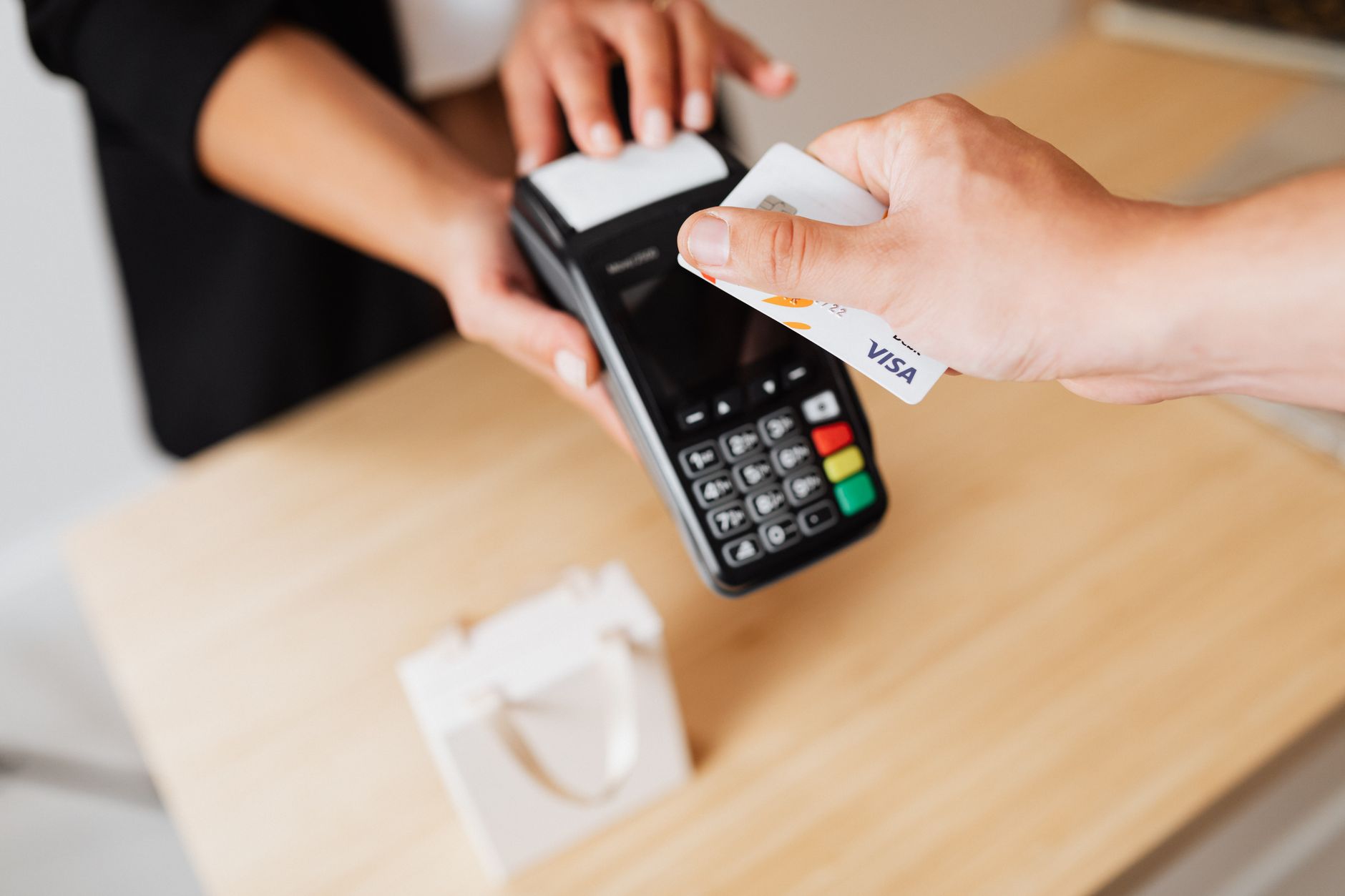
In most South African cities and larger towns, Visa and Mastercard are widely accepted. Restaurants, supermarkets, pharmacies, petrol stations, museums, wine estates, shopping centres and many guesthouses take cards. Tap-to-pay is common, and card machines are portable at many restaurants.
I use my card for most normal spending when I travel around the country. It is cleaner, safer than carrying a thick wad of cash, and easier to track afterwards when you are wondering where the biltong-and-coffee budget went.
But I would not rely on one card only.
Bring two cards if you can. Keep them in separate places — one in your wallet, one in your luggage or hidden pouch. Cards get blocked, swallowed, lost, damaged, or flagged by banks at the most inconvenient moment.
Tell your bank you are travelling. Some banks no longer require formal travel notices, but many still use fraud systems that can block unusual foreign transactions. Check before you fly.
Use cards with low foreign transaction fees. The difference adds up quickly over two weeks of meals, fuel, activities and supermarket runs.
Do not assume every small place takes cards. Farm stalls, informal craft markets, remote community stops and some small independent businesses may prefer cash or have patchy connectivity.
American Express and Diners Club are less widely accepted than Visa and Mastercard. If one of those is your main card, bring a backup.
When Cash Still Matters
Cash is not king everywhere in South Africa, but it still has a seat at the table.
You will want rand cash for the small, human bits of travel — the things that do not always appear in glossy itineraries but make the journey easier.
Tipping petrol attendants. In South Africa, fuel is not self-service. An attendant fills the tank, often washes your windscreen, checks oil, water or tyres, and sends you off with a wave. A small cash tip is appreciated.
Car guards and parking attendants. In many towns and shopping areas, informal or official attendants watch parked cars. You are not required to overpay, but a small coin or note is normal if they helped you.
Markets and roadside stalls. Some vendors use card machines or payment apps, but many still work in cash.
Rural areas. On long drives, especially away from major routes, cash can save you stress if a card machine is down.
Small tips at lodges or guesthouses. Porters, housekeeping staff and guides may be tipped in cash, depending on the setup.
I like to keep a mix of small notes rather than only large ones. A wallet full of big notes is awkward when you are trying to tip someone modestly or buy a bottle of water at a roadside stop.
ATMs: Easy Enough, If You Use Your Head
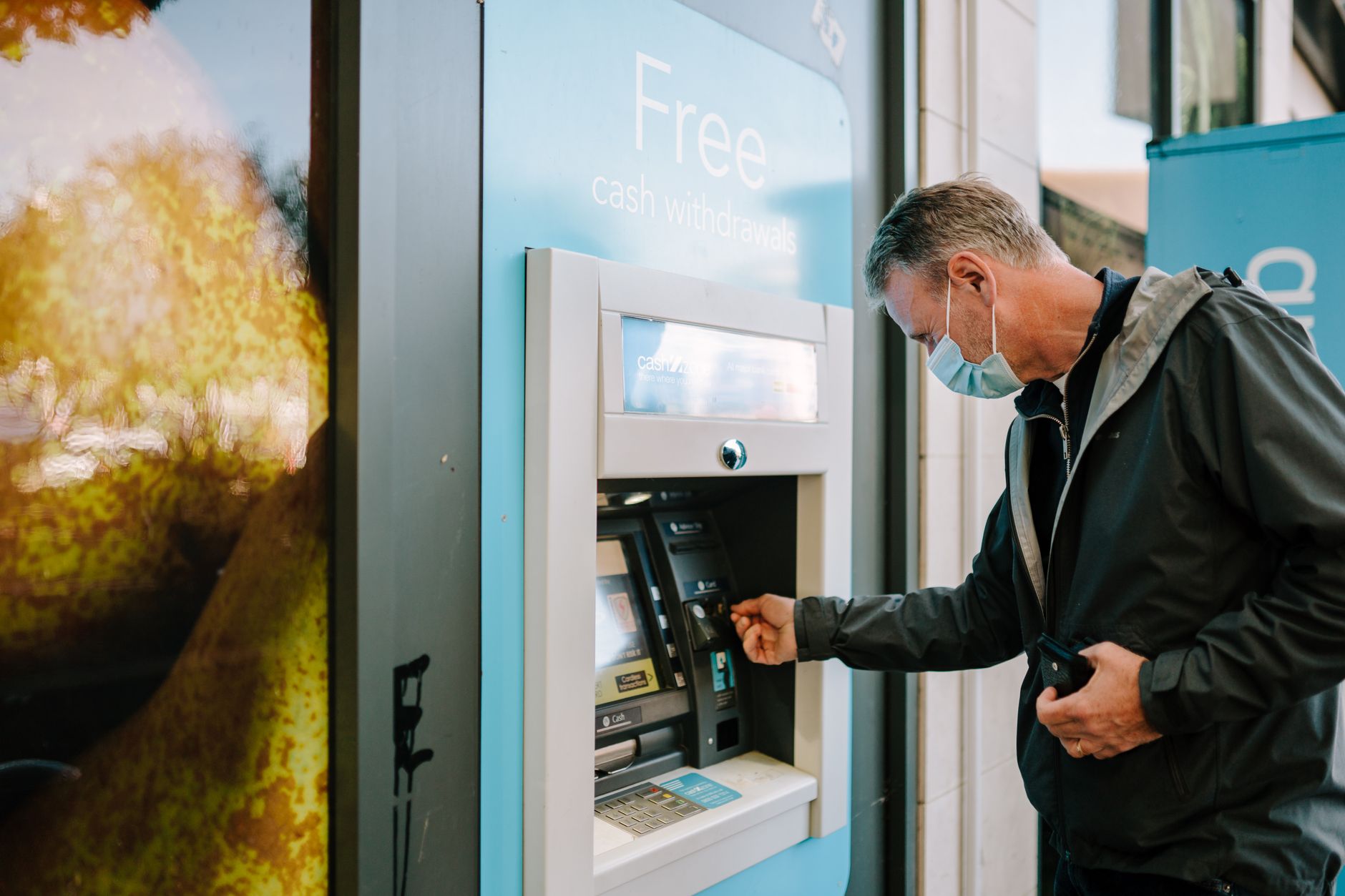
You can withdraw rand from ATMs across South Africa. Major banks have ATM networks in cities, towns, malls, airports and petrol station complexes. International cards generally work, but fees vary depending on your home bank, card type and the ATM provider.
This is one place where a little street sense goes a long way.
Use secure locations. Choose ATMs inside bank branches, shopping centres, airports or busy petrol stations. Avoid isolated machines, especially at night.
Decline “help” from strangers. ATM scams do happen. If anyone approaches you at the machine — even politely — cancel the transaction and leave.
Cover your PIN. Basic, but important. Use your hand, not your body language.
Check the card slot. If something looks loose, odd or damaged, use another machine.
Withdraw sensible amounts. Taking out tiny amounts repeatedly can rack up fees. Taking out too much means carrying unnecessary cash. Find the middle ground for your route.
Choose local currency carefully. Some ATMs or card machines may offer to charge you in your home currency instead of rand. This is called dynamic currency conversion, and it often comes with poor exchange rates. In most cases, paying or withdrawing in ZAR is better — but check your own bank’s terms.
If a machine declines your card, do not panic. Try another major bank ATM before assuming the card is blocked.
Exchanging Money: Before You Fly or After You Land?
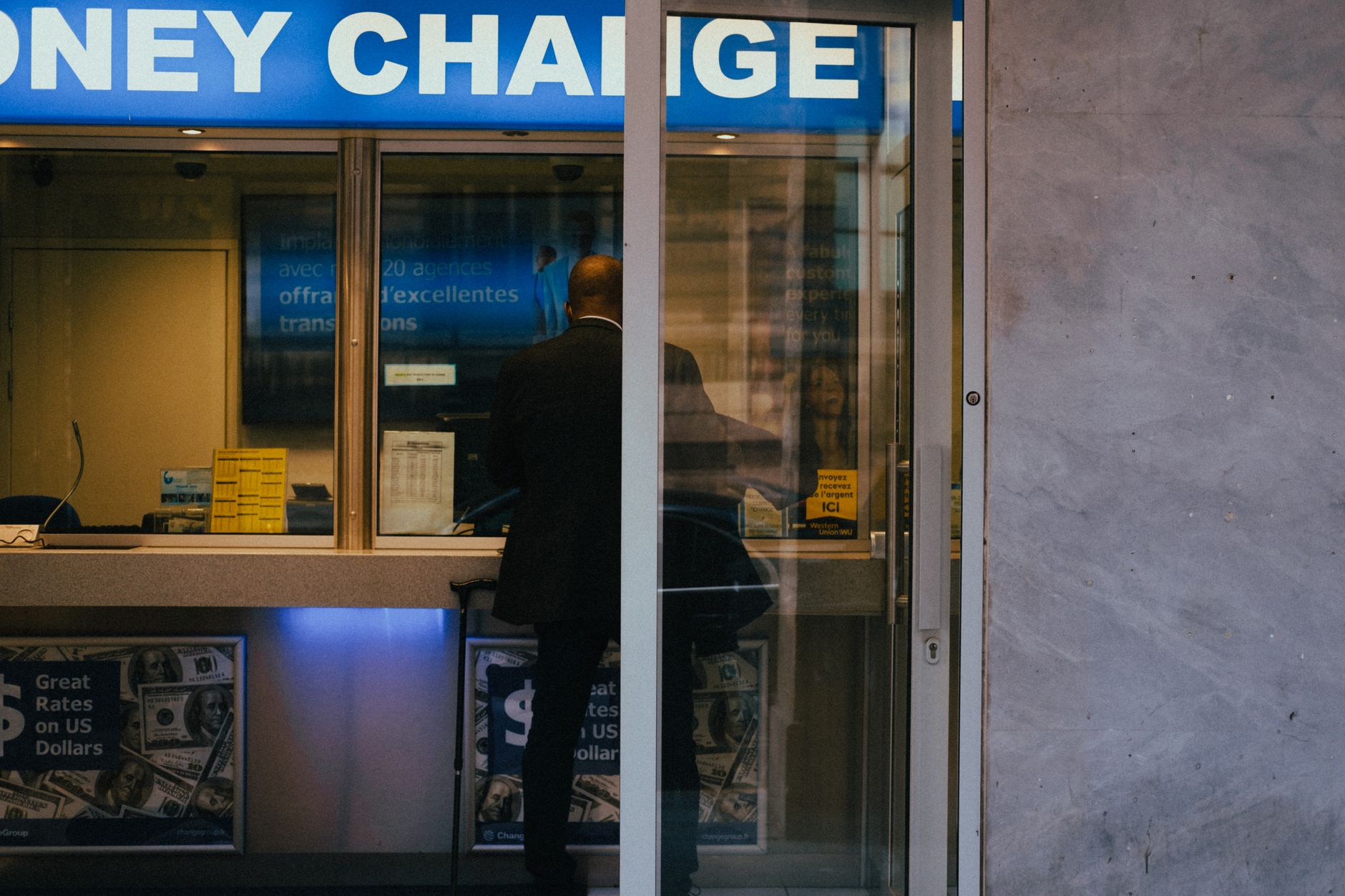
You can exchange foreign currency in South Africa at airports, banks and licensed foreign exchange counters. You may be asked for your passport and travel details, so keep documents handy.
That said, I do not love arriving with large amounts of foreign cash. It adds stress, and exchange counters vary on fees and rates. For many visitors, the simpler plan is to arrive with a small emergency amount and withdraw rand from a secure ATM after landing.
Airport exchange counters are convenient, especially if you want cash immediately for a taxi tip or first-day basics, but convenience can mean less favourable rates. Banks and forex branches may offer better options, though they take more time and are not always where you need them.
My practical approach would be:
- Bring a low-fee international card for most spending.
- Withdraw rand at a secure ATM soon after arrival.
- Carry only modest cash day to day.
- Keep backup funds separate from your main wallet.
If you are still shaping your arrival plan, our Getting to South Africa guide covers airports, entry points and those first few decisions after you land.
Tipping Without Overthinking It
Tipping in South Africa is normal in several travel situations. It is not about throwing money around; it is part of how many service workers earn a living.
Here is the simple version.
Restaurants: 10% is standard. If service is good, 10% is a common baseline. For excellent service, many people tip more. Always check whether a service charge has already been added, especially for larger groups.
Petrol attendants: small cash is appreciated. There is no single official amount, but a modest tip is normal if they fill up, clean the windscreen or check tyres.
Car guards: keep coins or small notes. If someone genuinely watched your car or helped you park, a small tip is common.
Guides and drivers: tip according to the experience. For tours, transfers, safaris or day trips, tipping depends on length, service and group size. If in doubt, ask the operator for general guidance rather than guessing.
Hotel and lodge staff: small, steady tips work well. Porters, housekeeping and lodge teams may have different systems. Some places use a communal tip box, which can be the fairest option.
The easiest mistake is arriving with only large notes. Break cash at supermarkets or cafés when you can, then keep small denominations for the day.
Simple Budgeting Tips That Actually Help
South Africa can be affordable for visitors, especially if you are coming with dollars, euros or pounds, but it is not automatically budget-friendly in every category. Safaris, domestic flights, private transfers, wine tasting routes, guided adventure activities and premium restaurants can add up quickly.
What helps is knowing where your money will go.
Transport is often the swing factor. If you hire a car, budget for fuel, tolls, parking, insurance excess cover and one-way fees if relevant. If you fly domestically, remember airport transfers on both sides. Our Getting Around South Africa guide is useful here because transport choices shape the whole budget.
Food can be flexible. You can eat very well at restaurants, but you can also save by mixing in supermarket breakfasts, padkos for road trips, and casual local spots.
Activities vary wildly. A beach walk costs nothing. A guided safari, shark cage diving trip, cableway ticket or multi-day hike package does not. Choose your must-do experiences first, then build the rest around them.
Season changes prices. Peak holiday periods, school breaks, long weekends and major events can push accommodation and flight costs up. If your dates are flexible, check the Best Time to Visit South Africa guide before locking in flights.
Pack to avoid nuisance spending. Sunscreen, adapters, a refillable bottle, layers, basic medication and a daypack can save money and irritation. Our South Africa packing guide covers the essentials without turning your bag into a mobile cupboard.
A good budget has breathing room. South Africa rewards detours — the farm stall you did not expect, the extra night in the Drakensberg, the guided walk that turns out to be the highlight of the trip.
Safety and Money: Be Sensible, Not Nervous
Money safety in South Africa is mostly about habits.
Do not flash large amounts of cash. Do not count money in public. Do not leave wallets or bags visible in a parked car. Use hotel safes where appropriate. Keep a backup card separate from your main wallet. Save your bank’s emergency contact number somewhere offline.
In restaurants, card machines are often brought to the table. If a staff member needs to take your card away, go with them or ask for the machine. This is normal caution, not paranoia.
At traffic lights — robots, as we call them — keep handbags, phones and wallets out of sight, especially in busy urban areas. Window-smash theft happens in some places. You do not need to be scared; you do need to be aware.
On road trips, I keep enough cash for the day but not enough to ruin the holiday if it disappears. The rest stays split between a card, backup card and secure luggage. Simple. Boring. Effective.
What I’d Tell a Friend Before They Arrive
If you only remember one section, make it this.
Use cards for most things. South Africa is generally card-friendly, especially in cities, towns, malls, restaurants, fuel stations and established attractions.
Carry small rand notes. You will need them for tips, car guards, informal markets and rural stops.
Withdraw from secure ATMs. Banks, malls, airports and busy petrol stations are better than isolated machines.
Pay in ZAR when offered a choice. Dynamic currency conversion often favours the provider, not you.
Bring more than one card. Keep your backup separate from your main wallet.
Budget by route, not just by day. A self-drive safari, Garden Route holiday and Cape Town city break all spend differently.
Check changing costs with the source. Exchange rates, bank fees, fuel prices, tolls and activity costs move. Treat online figures as approximate and verify before you rely on them.
The Bottom Line
The currency in South Africa is easy to get used to. After a day or two, the rand starts to make sense: what a coffee costs, what a casual lunch feels like, what a fair tip looks like, and how quickly a “quick stop” at a farm stall can turn into preserves, rusks and something for the braai.
Bring a good card. Bring a backup. Withdraw rand carefully. Keep small cash. Tip thoughtfully. Watch the fees.
Do that, and money becomes what it should be when you travel — not the story itself, just the thing that lets you get on with the real one.
Have a money question before your South Africa trip? Get in touch — we’d love to help you travel with confidence.
