The first time I realised cultural immersion South Africa travel was not a fancy phrase, I was sitting in a kitchen I had no business being in, eating stew from an enamel plate and trying to remember whether I had already said thank you three times or only two.
I had arrived for “a local food experience”. What I got was a grandmother correcting my pronunciation, a cousin explaining why the neighbourhood football team mattered more than national politics, and a small child judging my pap technique with the cold accuracy of a Michelin inspector.
That is the thing about travelling deeper here. South Africa does not reveal itself because you drove further, slept somewhere rustic, or bought a beaded bracelet at a market. It opens up when you slow down enough to be hosted, corrected, fed, teased, and occasionally humbled.
Preferably before you put chilli sauce on something that was already trying to kill you.
Cultural Immersion South Africa Starts With People, Not Performances

South Africa is not one culture. It is many cultures, languages, histories and daily rhythms sharing the same map — sometimes beautifully, sometimes awkwardly, often both before breakfast.
That means the best cultural travel here is not a staged “authentic moment” polished until it squeaks. It is a guided walk through a township with someone who lives there. It is a heritage site that sits with grief instead of rushing you to the gift shop. It is a meal where the story behind the food matters as much as the food itself.
If you want a broad starting point, our guide to cultural experiences in South Africa is a useful place to browse. But the real work happens on the ground: asking better questions, choosing better hosts, and remembering you are entering someone else’s everyday life.
Not a theme park. Not content. A place.
Township Tours: Go With Care, Not Curiosity Alone
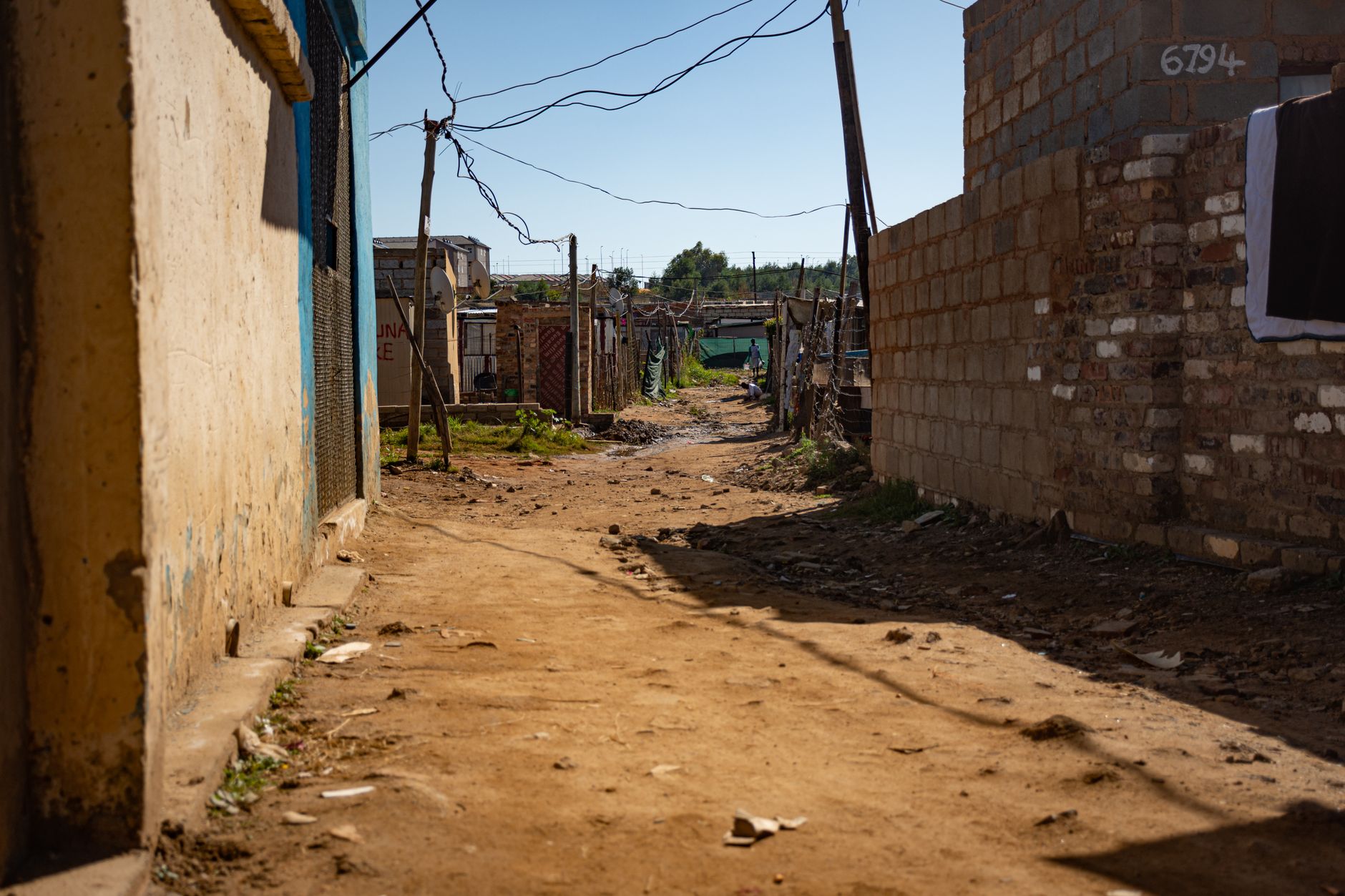
Township tours can be some of the most worthwhile experiences in South Africa. They can also be done badly.
The difference usually comes down to who leads them, who benefits, and how the story is told. A good township tour should give context: forced removals, apartheid spatial planning, community organising, local businesses, music, sport, faith, food, and the stubborn brilliance of people building full lives in places outsiders too often flatten into one sad headline.
A bad one feels like poverty being pointed at from a minibus window.
I have done both kinds. The good ones left me quieter, better informed, and slightly embarrassed by how much I did not know. The bad ones made me want to climb under the seat and pretend I was luggage.
Look for guides who are from the area or deeply connected to it. Ask whether local businesses are included. Eat where your guide eats. Buy from makers directly if you want to take something home. And please, for the love of all things lekker, do not photograph people’s homes or children without permission.
Your camera is not a passport.
Eat the Story, Not Just the Meal

Food is one of the easiest ways into South African culture because everyone has an opinion and most of us are prepared to defend it loudly.
Cape Malay curry in Cape Town tells stories of slavery, spice routes and family kitchens. Shisa nyama in a township is not just grilled meat; it is smoke, music, Saturday, football, gossip, and someone’s uncle supervising the fire as if national security depends on it. Bunny chow in Durban carries Indian South African history in a hollowed-out loaf. A farm stall roosterkoek on a long road trip is proof that civilisation has not entirely failed.
The trick is to go beyond “what should I order?” and ask “where does this come from?”
If you are nervous, join a guided food walk or cooking experience first. It gives you context and saves you from ordering with the confidence of a man who absolutely does not know what he is doing. I have been that man. He sweats a lot.
For more ideas across the country, browse our wider things to do in South Africa guide and look for food, market and neighbourhood-led experiences rather than only big-ticket attractions.
Learn Three Words. Use Them Badly. Smile.
South Africa has 12 official languages, including South African Sign Language. You are not expected to master them before arrival. Most of us have not mastered them and we live here.
But a greeting matters.
Try sawubona in isiZulu, molo in isiXhosa, dumela in Sesotho or Setswana, hallo in Afrikaans, and thank you in whatever language your host offers you. Ask how to say it. Repeat it badly. Laugh at yourself. Try again.
Language is not a party trick. It is a small sign that you are not treating English as the default setting for everyone else’s life.
The reward is often instant warmth. Sometimes it is also instant correction, delivered with impressive speed. Take it. You have paid more for worse lessons.
Heritage Sites Need Time, Not a Selfie Sprint
South Africa’s heritage sites are not background scenery. Many hold painful histories — colonial violence, apartheid, resistance, imprisonment, forced removals, dispossession. Others celebrate living traditions, ancient landscapes, art, migration and spiritual life.
Give them time.
At places connected to apartheid history, do not rush the heavy parts. Read the plaques. Listen to guides. Sit with discomfort instead of trying to turn the visit into an inspirational quote before lunch.
At living cultural sites, remember that tradition is not frozen in the past for visitors. People change, adapt, argue, modernise, keep what matters and drop what does not. That is culture doing what culture does.
If you like travelling off the beaten path, our hidden gems in South Africa section often points towards smaller towns, community museums and quieter heritage stops where you can spend money more directly and avoid the conveyor-belt feeling.
Respect Is Practical, Not Precious
Respectful travel sounds lofty. Mostly it is common sense with clean shoes.
Ask before taking photographs. Arrive on time. Pay the agreed price. Tip fairly when service is good. Do not haggle someone into a loss because you want a “local deal”. Dress appropriately. Listen more than you perform. Avoid treating personal stories as entertainment.
Also, read the room. A funeral procession, a ceremony, a church service, a protest, a family gathering — these are not travel “moments” unless you have been invited into them.
Safety matters too. Travelling deeper does not mean switching off your brain. Go with reputable local guides, especially in unfamiliar urban areas. Keep valuables discreet, use known transport options, and check practical advice in our South Africa safety tips before you head out.
Being open-hearted and street-smart are not opposites. In South Africa, they are travel twins.
What I’d Tell a Friend
Choose community-led experiences. Ask who owns the tour, who guides it, and whether local businesses are part of the route. If the answers get vague, move on.
Pay properly. Budget-friendly travel is fine. Bargaining people down to the bone is not. Your money has power; spend it where it stays in the community.
Ask better questions. Instead of “is this safe?” try “what should I know before visiting?” Instead of “what is your culture?” try “what would you want visitors to understand about this place?”
Take fewer photos. You will remember more when you are not trying to turn every conversation into a gallery. Ask permission, especially with people, homes and ceremonies.
Eat locally at least once a day. Markets, family-run cafés, food walks, township eateries, farm stalls — this is where the country gets chatty.
Learn greetings. You do not need fluency. You need effort. Effort travels well.
Leave space in the itinerary. Cultural immersion hates a stopwatch. If every day is packed tighter than a minibus taxi at month-end, you will miss the good stuff.
Follow your guide’s lead. If they say do not walk down that road, do not walk down that road. This is not the moment to discover your inner explorer.
The Best Experiences Are Usually Not the Neatest
The deeper you travel in South Africa, the less tidy the story becomes. That is a good thing.
You will find warmth and inequality on the same street. Joy and hard history in the same museum. Generosity from people who owe you nothing. Complicated conversations over simple food. A country that can frustrate you at 10am and make you fall in love again by sundowner.
That is why cultural immersion matters. It moves you from looking at South Africa to meeting it.
Not every experience will be profound. Sometimes the big lesson is that you cannot dance, your language skills need work, and you should never underestimate someone’s homemade chilli. Fair enough. Travel is a stern teacher.
Would I build a trip around cultural experiences? Absolutely. Safari, beaches and mountain passes are wonderful — we have plenty of them, and I will defend a good Lowveld sunrise with unnecessary emotion. But the moments that stay with me longest are usually at tables, on pavements, in small museums, with guides who know exactly where the official story ends and the real one begins.
Go further if you can. South Africa rewards kilometres.
But go deeper too. That is where the country starts talking back.
Have you had a cultural experience in South Africa that changed how you saw the country? Get in touch — we’d love to hear from you.