Cape Town winter activities have a way of changing the whole mood of a trip. I’ve watched visitors arrive with beach towels and a Camps Bay fantasy, only to meet a cold front rolling over the Atlantic like a grey wall. The first instinct is disappointment.
I get it. When the rain comes down sideways and Table Mountain disappears completely, Cape Town can feel like it has shut the curtains.
But winter here isn’t a write-off. It’s a different city — moodier, greener, slower, and often more interesting if you stop trying to force a summer itinerary onto a June or July day. Some of my best Cape Town memories have happened under low cloud: red wine in old cellars, steam rising off ramen bowls, empty galleries, and that sudden golden light when the rain breaks over the harbour.
So if the forecast looks wet, don’t panic. Build your day around shelter, food, culture, and quick dashes outdoors when the weather gives you a gap. Here are 12 rainy day adventures I’d happily recommend to a friend.
Cape Town Winter Activities Start With a Flexible Mindset
Winter in Cape Town is not like winter in the Highveld, where the air gets crisp and dry and the sun usually shows up. The Western Cape gets its main rainfall in winter, which means cold fronts, wind, wet roads, and weather that can shift several times in a day.
That sounds like a problem until you plan for it.
I like to think of winter days in Cape Town in three parts: a solid indoor anchor, a good meal, and one opportunistic outdoor moment. Maybe that means a museum in the morning, a long lunch, and a sunset drive if the clouds open. Maybe it means wine tasting while the rain drums on a tin roof, then a quick beach walk before the next shower.
If you’re still deciding whether the season suits you, our Best Time to Visit South Africa month-by-month guide is a useful starting point. But if your flights are already booked, lean in. Winter can be lekker.
1. Spend a Slow Morning at the Zeitz MOCAA and the Waterfront
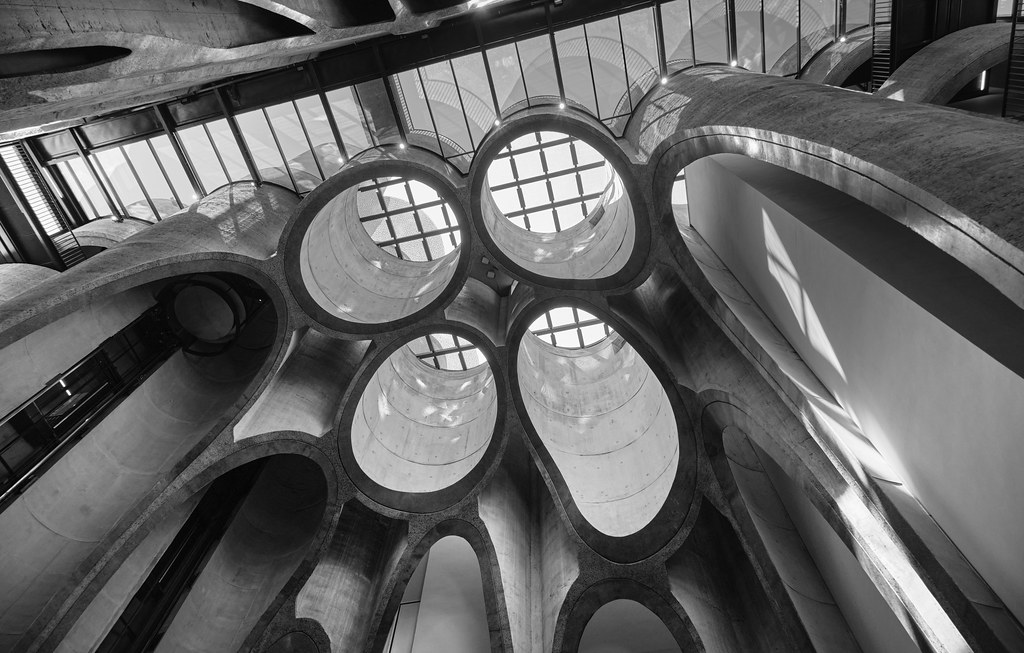 Photo: chris.rycroft — CC BY 2.0, via Openverse
The V&A Waterfront is one of the easiest wet-weather bases in Cape Town because you can move between food, shops, galleries and harbour views without committing to a long outdoor mission.
I’d start with Zeitz MOCAA, especially if the rain is properly settling in. The building alone is worth your time — an old grain silo carved into cathedral-like concrete spaces — and the contemporary African art inside gives you something deeper than another shopping-centre wander.
Afterwards, don’t rush off. Walk under cover where you can, warm up with coffee, watch the harbour working in the rain, and let the day unfold. It’s a good first-day option because it doesn’t demand perfect weather or complicated logistics.
Local tip: If the sky clears suddenly, step outside quickly. Winter light over the harbour and Signal Hill can be spectacular for exactly ten minutes.
2. Duck Into the Two Oceans Aquarium
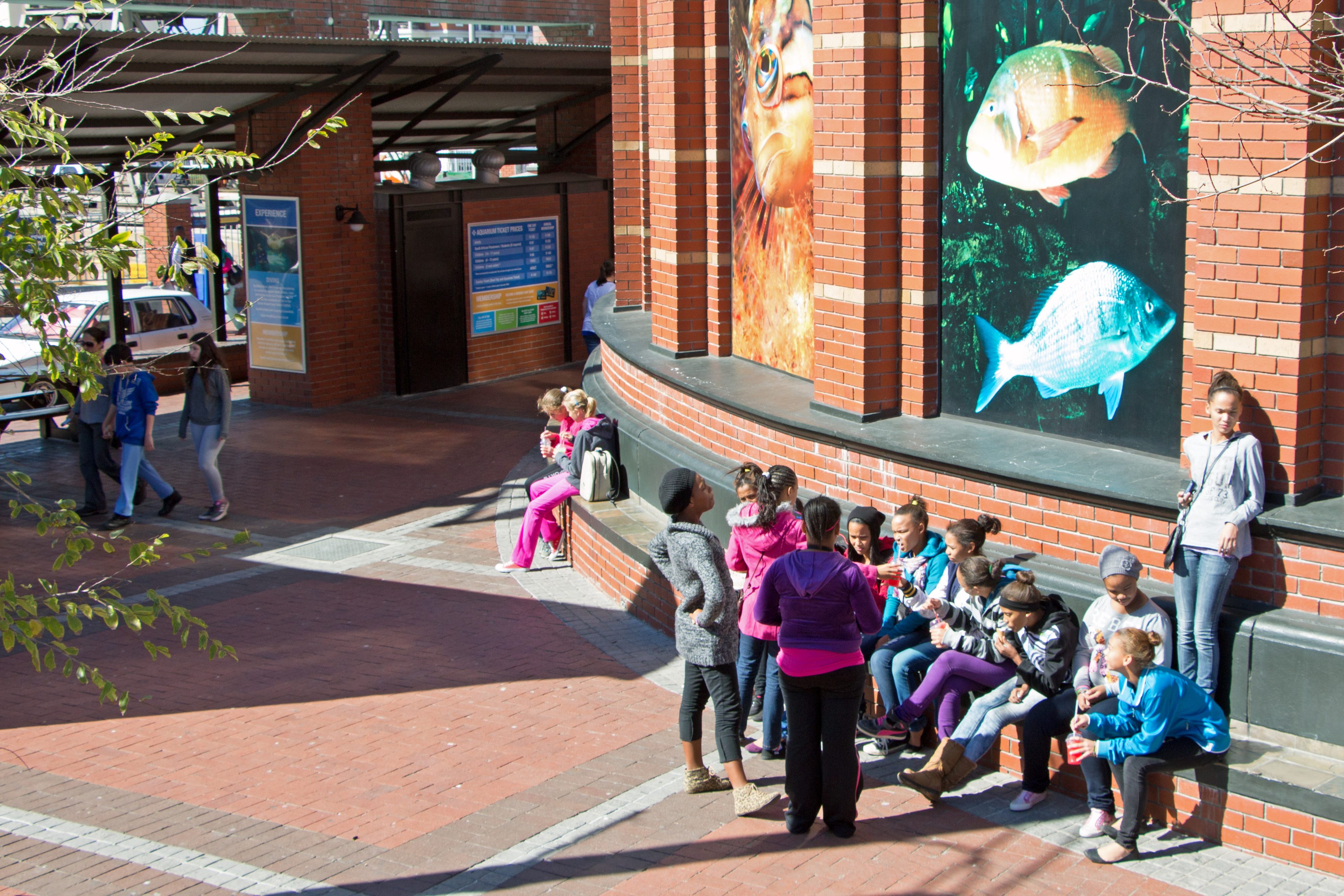 Photo: HelenOnline — CC BY-SA 3.0, via Openverse
The Two Oceans Aquarium is not only for children, although families will be very happy here on a wet day. I’ve gone as an adult with no excuse except bad weather and still found myself standing quietly in front of the kelp forest, watching fish move through the swaying green like a Cape underwater forest.
It works especially well when the rain is heavy and you don’t want to keep jumping in and out of the car. It’s central, contained, and easy to pair with the Waterfront.
If you’re travelling with kids and need more ideas that don’t depend on blue skies, our family-friendly South Africa guide has broader inspiration for planning around younger travellers.
Best for: Families, first-time visitors, and anyone who needs a calm indoor reset.
3. Make Lunch the Main Event
Cape Town is a serious food city, and winter is when that really shows. In summer, everyone wants terraces and sea views. In winter, I want fireplaces, broths, Cape Malay spices, slow-cooked lamb, good bread, and a glass of red that makes the rain feel like part of the plan.
You don’t need to chase one famous table. Choose a neighbourhood and build around it:
- City Bowl for cafés, bakeries, bistros and easy museum access.
- Sea Point and Green Point for casual food, coffee and a promenade dash if the rain stops.
- Woodstock for design, markets and creative spaces.
- Constantia for leafy wine estates close to the city.
For more background on how food and wine shape travel here, our guide to Food & Wine in South Africa is a good rabbit hole.
What I’d tell a friend: Don’t treat meals as filler in winter. Make them the spine of the day.
4. Do a Constantia Wine Tasting Without Leaving Cape Town
When people think Cape wine, they often picture Stellenbosch or Franschhoek. Both are wonderful, but in wet weather I appreciate Constantia because it’s close. You can go from the city to vineyard views in a short drive, taste properly, have lunch, and get back before the roads feel like a mission.
Winter suits the valley. The vines are bare, the trees are dark and glossy, and mist often sits low against the mountain. It’s not the postcard version of Cape Town, but it has atmosphere.
I wouldn’t overpack the day. Pick one or two estates, check their current opening times directly, and leave room for a slow lunch.
Important: If you’re driving, keep tastings modest or organise transport. Cape Town rain plus wine plus unfamiliar roads is not a clever combination.
5. Explore the District Six Museum or Iziko Museums
Rainy days are good for the places that ask you to pay attention.
The District Six Museum is one of those Cape Town experiences that stays with you because it explains the city beyond the mountain-and-ocean image. It is personal, painful, human, and essential if you want to understand more of Cape Town than the pretty edges.
The Iziko museums are also useful winter options, particularly around the Company’s Garden. You can pair museum time with a café stop and a short walk if the weather gives you a gap.
This is where winter helps, oddly. You’re less tempted to rush through history because a beach is calling. You can slow down and listen.
6. Browse a Market, Then Linger
Cape Town’s indoor and covered markets are ideal for a rainy day because they let you snack, browse and people-watch without needing a formal plan. Depending on the day of the week, you might find food stalls, local design, baked goods, wine, craft drinks, or live music under shelter.
The joy is not just buying things. It’s having somewhere warm and social to be when the outdoors is messy.
Look for:
- Covered food markets with seating, so you’re not juggling lunch in the rain.
- Local makers rather than generic souvenirs.
- Coffee stands doing proper winter business.
- Family-friendly corners if you’re travelling with children.
Local tip: Go earlier than peak lunch if the weather is awful. Everyone has the same idea once the rain starts.
7. Take a Scenic Drive Between Showers
This is my favourite winter trick: don’t plan a hike, plan a drive with optional stops.
Cape Town’s coastline is dramatic in bad weather. Waves hit harder, the air feels scrubbed clean, and the mountains look heavier somehow. The key is not to be stubborn. If visibility is poor or the wind is pumping, stay safe and skip exposed viewpoints.
Good weather-window drives include:
- Sea Point to Camps Bay for Atlantic views and quick coffee stops.
- Chapman’s Peak Drive if it is open and conditions are safe — always check current status.
- False Bay via Muizenberg, St James and Kalk Bay for tidal pools, bookshops, cafés and harbour scenes.
- Signal Hill only if visibility is decent and wind is manageable.
The Western Cape region guide is helpful if you want to understand how quickly the landscapes change once you start moving beyond the city.
Rule of thumb: If you’re asking, “Is this wind too much?” it probably is.
8. Warm Up in Kalk Bay
Kalk Bay is one of my best rainy day neighbourhoods because it offers several small pleasures close together: cafés, bookshops, antiques, galleries, the harbour, and fish-and-chips energy even when you don’t actually order fish and chips.
On a wet day, I like arriving with no heroic plan. Browse slowly. Watch the fishing boats if the harbour is safe and open. Find a warm table. Wait for the next break in the rain, then walk a short stretch before ducking back inside.
It’s also a good choice if you’re with people who don’t all want the same thing. One person can shop, another can drink coffee, someone else can photograph moody harbour scenes. No one has to commit to a full-day expedition.
Best for: A half-day with character, especially when the rain is intermittent rather than relentless.
9. Turn a Wet Day Into a Cape Malay Food Moment
A rainy Cape Town day and Cape Malay flavours belong together. Think cinnamon, cardamom, chilli, turmeric, slow onions, and flaky rotis. Whether you join a cooking experience, visit a spice shop, or simply choose a restaurant with proper Cape heritage on the menu, this is one of the most satisfying ways to understand the city through food.
I’d pair it with time in the Bo-Kaap if the weather allows, but I’d avoid treating the neighbourhood like a photo backdrop. Go respectfully, remember people live there, and consider experiences that centre local storytelling.
What to try: Bobotie, denningvleis, samoosas, bredie, koesisters, and a proper cup of tea afterwards if the rain has got into your bones.
10. Chase a Short Table Mountain or Lion’s Head Window — Carefully
 Photo: atlanticstorm (Christopher_Griner) — CC BY 2.0, via Openverse
Winter does not mean you must avoid the mountain. It means the mountain gets the final say.
If the cloud lifts, wind drops, and conditions are genuinely safe, a short outdoor outing can be magic. The city shines after rain. Streams run, fynbos smells sharper, and the views can feel newly washed.
But don’t force it. Table Mountain weather changes fast, and Lion’s Head is exposed. Wet rock is slippery, cloud can reduce visibility, and winter daylight is shorter. Check official updates, go prepared, and turn back without ego if conditions shift.
Safer alternatives: A lower-level walk, the Sea Point Promenade, Company’s Garden, Kirstenbosch lower paths, or a brief beach walk between showers.
Non-negotiable: Proper shoes. Not fashion sneakers with no grip. Eish, I’ve seen that movie.
11. Make It a Spa, Steam or Slow Hotel Day
Not every travel day has to be maximised. Sometimes the best rainy day adventure is admitting that your body is tired and winter is giving you permission to slow down.
Cape Town has plenty of wellness options: spas, hotel lounges, heated pools in some properties, yoga studios, saunas, and quiet cafés where no one minds if you read for an hour. I used to feel guilty about this kind of day while travelling. Now I think it’s often the thing that keeps the rest of the trip enjoyable.
If you’ve been driving, hiking, wine tasting and sightseeing hard, a wet day can be your reset.
Budget-friendly version: Good coffee, a second-hand bookshop, a long lunch, and an early night.
12. Plan a Bigger Winter Escape if the Forecast Clears
If you’ve got extra days, winter can be a brilliant time to explore beyond Cape Town — but only with a close eye on road conditions and weather warnings.
The Winelands are an obvious choice, and winter suits them beautifully. Robertson, in particular, has that slow Route 62 rhythm that works well when you want wine, mountains and small-town calm without rushing. Our Robertson Wine Valley weekend itinerary is a useful starting point if you’re tempted to turn a wet Cape Town spell into a road trip.
The Cederberg is another story. It can be magnificent in cooler weather, but it’s remote, rugged, and not a place to treat casually after heavy rain. If you’re dreaming of rock art, mountain passes and big skies, read up first with our Cederberg Wilderness guide and check conditions carefully.
Winter road rule: Never assume a pass, gravel road or low-water crossing is fine because it was fine yesterday.
Practical Lessons for Rainy Days in Cape Town
Check the forecast twice a day. Cape Town winter weather shifts quickly. Use reliable weather sources and pay attention to wind, not just rain.
Keep Table Mountain flexible. Don’t build your whole itinerary around a fixed mountain slot. Go when conditions are good; do something else when they aren’t.
Choose neighbourhood clusters. Pair nearby activities so you’re not driving across the city in heavy rain. Waterfront plus aquarium, City Bowl plus museums, Kalk Bay plus cafés — simple wins.
Book key meals, but don’t overbook the day. Winter restaurants can still fill up, especially on weekends. Reserve the meal that matters, then leave breathing room.
Pack for wet, not just cold. A proper rain jacket, shoes with grip, and a dry bag or waterproof pouch for your phone will make the day easier.
Use indoor anchors. Start with one museum, market, tasting or food experience. Then add outdoor moments only if the weather behaves.
Respect the ocean and mountain. Winter waves, wind and wet paths are not background drama. They change what is safe.
Have a parking plan. In hard rain, the difference between covered parking and a five-minute dash can feel enormous, especially with kids or luggage.
Would I Visit Cape Town in Winter?
Yes — but I’d visit it honestly.
I wouldn’t promise anyone endless beach days or sundowners in a linen shirt every evening. That’s not the season. Cape Town in winter is rain on old windows, mountain cloud spilling into the city, red wine before sunset, galleries without the summer crush, and sudden bright gaps that make everyone look up at once.
It asks you to be flexible. It rewards you for paying attention.
So if your Cape Town trip lands in the wet months, don’t treat the weather as a disaster. Treat it as a different itinerary. Build your days around food, culture, warmth and short bursts of wild scenery, and you may discover a version of the city that summer visitors miss completely.
Have you tried any Cape Town winter activities on a rainy day? Get in touch — we’d love to hear what saved your wet-weather itinerary.
Image credits
- hero.jpg: Islahaddow (CC BY-SA 4.0), via Openverse. Resized.
- body-1.jpg: chris.rycroft (CC BY 2.0), via Openverse. Resized.
- body-2.jpg: HelenOnline (CC BY-SA 3.0), via Openverse. Resized.
- body-3.jpg: atlanticstorm (Christopher_Griner) (CC BY 2.0), via Openverse. Resized.